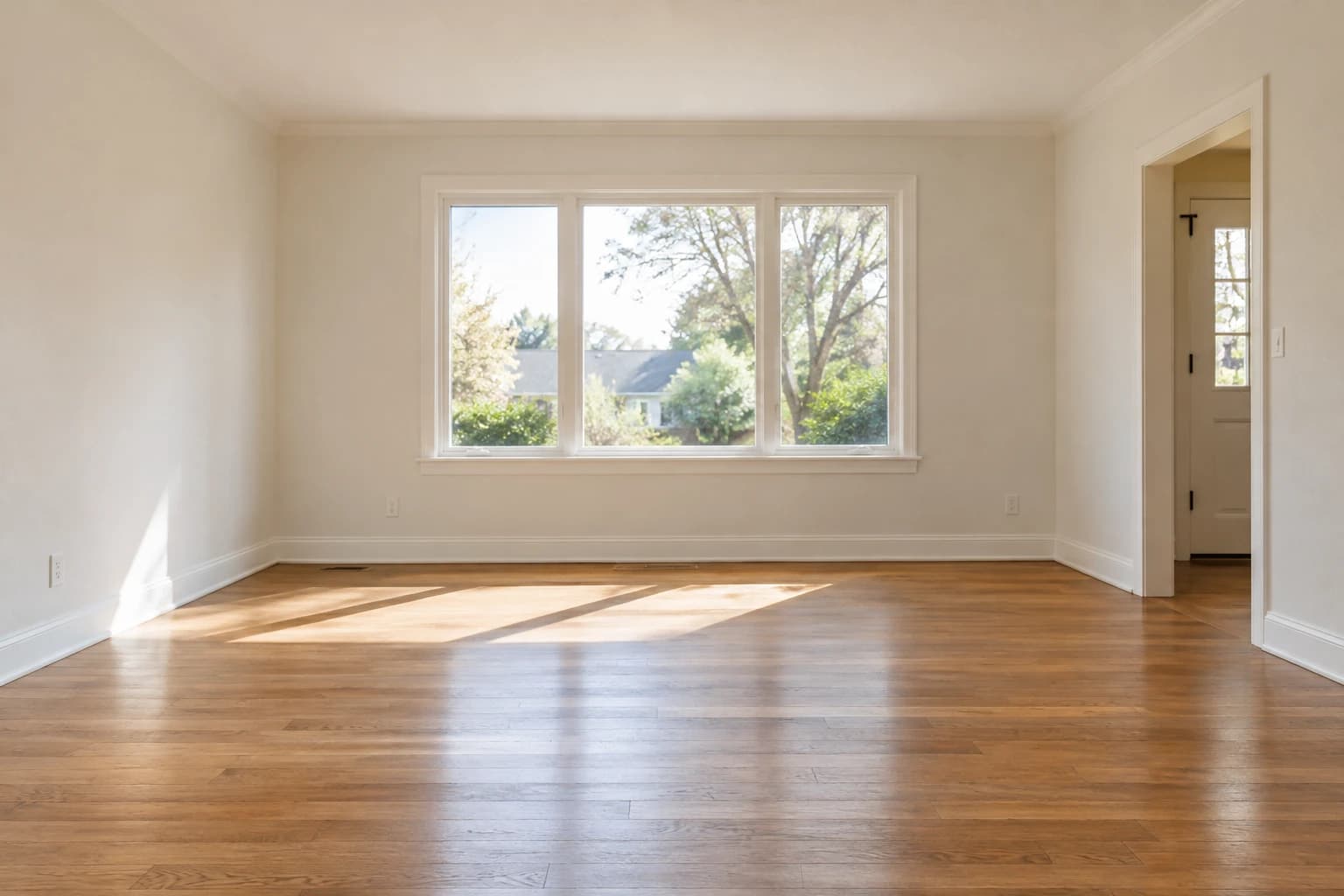

Virtual staging for realtors is easy to start and easy to get wrong: the software takes minutes, but the labeling, the unaltered photos and the MLS rules decide whether a listing stays in good standing. Done well, it is a low-cost way to make a vacant listing legible online.
Most agents who use virtual staging treat it as a photo tool, not a staging strategy. NAR's 2025 survey found that 60% of sellers' agents rate it less important to their clients than traditional staging, so the goal is to use it where it helps and to be honest about it.
If you are still deciding between digital and real furniture, see how virtual home staging compares with physical staging. Here is what we will cover:
- What agents actually use, and what each option costs.
- Who pays for staging.
- A step-by-step workflow for a virtually staged listing.
- The disclosure rules and mistakes to avoid.
We start with the question agents ask most.
What Do Realtors Use for Virtual Staging?
Agents generally choose between three routes: AI software they run themselves, human editors who return finished images, or a portal tool. The price and control differ a lot.
| Option | How it works | Published price | Best for |
|---|---|---|---|
| AI software | You upload an empty-room photo and pick a style | One vendor's standard plan works out to $0.95 per photo | Agents who stage many listings |
| Human editors | A service stages each photo and returns it | BoxBrownie lists C$30 per image, 48-hour turnaround | One-off listings, higher polish |
| Portal tools | Reported to be buyer-facing, built into Zillow Showcase | Not published | Agents already on Showcase |
Prices come from vendor pages and change often, so confirm before you budget. Our comparison of virtual staging software sets published prices side by side.
How much does Zillow charge for virtual staging?
Zillow has not published a price in the sources we found. Reports say Zillow added a virtual staging feature to Showcase that lets buyers restyle rooms, with technology from Virtual Staging AI, which Zillow acquired in October 2024. Ask Zillow directly for current terms.
Can ChatGPT do virtual staging?
General-purpose AI image tools can add furniture to a room photo, but they may also change walls, windows or floors, which many MLS rules prohibit. If you use one, compare the result with the original photo before you upload anything.
Who Pays for Virtual Staging?
There is no single rule, and the listing agreement is where you settle it. In NAR's survey of sellers' agents, 26% said compensation for staging depends on the situation, 23% said they personally offer to stage, and 17% said the seller pays before listing.
- Agent pays: Common as a marketing cost, especially at a few dollars a photo.
- Seller pays: Put the cost and the number of photos in writing.
- Split or case by case: Fine, as long as the agreement says so.
A Workflow for a Virtually Staged Listing
Follow the same order every time, and the compliance work takes care of itself.

- Photograph the room properly first. Shoot level, in daylight, with lights on. Our guide to staging a home for real estate photos covers the setup.
- Pick a style that fits the home. A sofa that would not fit the room reads as a fake.
- Keep permanent features unchanged. Do not alter walls, floors, windows, fireplaces or views.
- Label every staged photo. A caption such as "Virtually staged" works for most MLSs.
- Add the unaltered photo. Some rules require the original image for each staged room.
- Mention it at showings. Tell buyers the furniture is digital before they walk in.
- Best for: Vacant listings with a tight budget.
- Why it works: The photos show scale and use without the cost of rented furniture.
- Watch out for: Rooms that look larger or finished in the photo than they are in person.
Disclosure Rules for Agents
Disclosure is now the main risk. California's AB 723 requires disclosure of digitally altered listing images, Wisconsin's requirement takes effect January 1, 2027, and individual MLSs can be stricter, per The Close.
MLS Now allows virtual staging limited to movable property with disclosure and bans changes to permanent features. Northstar MLS's proposed guidelines call for labels and an unaltered image for each staged room. Check your own MLS rules and your brokerage policy, and treat this as general information, not legal advice.
Do most realtors pay for staging?
No, most do not stage every listing. In NAR's survey, 21% of sellers' agents said they stage all their sellers' homes, and 10% only stage homes that are hard to sell.
Common Mistakes With Virtual Staging
- Staging the wrong rooms: Buyers' agents ranked the living room, primary bedroom and kitchen as most important to stage, and the guest bedroom as least.
- Over-furnishing: Too much digital furniture shows the room as smaller.
- Skipping the label: It is the fastest route to a complaint.
- Using virtual staging to hide defects: Rules prohibit removing material defects.
If buyers will tour an empty home, our guide to physical staging partners for real estate listings explains how to choose an on-site staging company.
Virtual Staging for Realtors: When It Is Worth Using
Virtual staging is worth using when the home is vacant, the budget is short and the photos are the main showing. It is less useful when buyers will tour in person and expect to see the rooms as shown.
| Situation | Use virtual staging? | Note |
|---|---|---|
| Vacant home, buyers tour | Maybe, for key rooms | Pair with physical staging in the living room if budget allows |
| Vacant home, remote or relocation buyers | Yes | The photos do most of the work |
| Occupied home | Rarely | Edit and declutter instead |
| Dated finishes | No | It cannot fix what buyers see in person |
| Rooms with defects | No | Rules prohibit hiding material defects |
This table is our editorial judgment. NAR's survey shows why to be selective: 18% of buyers' agents and 16% of sellers' agents rated virtual staging as more important than other tools.
What to Tell Your Seller
Sellers ask the same three questions, so have the answers ready.
- What will it cost? Quote per photo and the number of rooms, using the prices you will actually pay.
- Will buyers see it in person? No, and the listing will say so.
- Is it required to be labeled? Often yes, and it protects the seller as well as you.
Put the answers in the listing agreement, along with who pays.
The SHOT Checklist: Four Rules for Every Staged Listing
SHOT is our editorial checklist, built from the disclosure rules in California, Wisconsin and the MLSs we reviewed.
| Letter | Rule | Why |
|---|---|---|
| S: Shoot well first | A good empty-room photo is the input | Poor light and angles show through any edit |
| H: Hold the features | Walls, floors, windows and fireplaces stay as they are | MLS rules prohibit altering them |
| O: Overlay a label | Caption each staged photo | Disclosure is spreading by state and MLS |
| T: Tell the buyer | Say so before the showing | It prevents the photo-versus-room letdown |
What the data says about adoption: In NAR's 2025 survey, 8% of sellers' agents only virtually stage, and 60% rate virtual staging less important to their clients than other tools. Our take: treat it as a supplement to your marketing, not a replacement for a plan.
The Bottom Line
Virtual staging for realtors works best on vacant listings, with a short budget and a clear label. Shoot well first, keep permanent features untouched, disclose every staged photo and follow your MLS rules.
For rooms that need real furnishings at showings, compare physical home staging companies by city and service. For digital work, use the virtual staging tool comparison.
Sources
- 2025 Profile of Home Staging, NAR
- How Far Can Agents Edit a Listing Photo? New MLS Rules Draw the Line, The Close
- MLS Now Rules: Section 3, Images, Media and Virtual Staging
- Guidelines for Virtual Staging and AI-Enhanced Listing Photos, Northstar MLS
- New Zillow Showcase Tool Lets Buyers Restyle Rooms With AI, NowBAM
- Virtual Staging AI pricing
- Virtual staging, BoxBrownie